
Redpoint’s 2026 Traveler Risk Report
Whether it’s high winds, unseasonal temperatures, or freak storms, extreme weather has always had an impact on travel. But according to new data, weather has become a primary decision factor for many travelers. Rather than just seeing it as an outside possibility, travelers are increasingly expecting travel disruption due to severe weather.
A new report from Redpoint Travel Insurance takes a close look at the extent to which extreme weather is influencing Americans’ travel behavior. The results of this national travel weather survey – which polled a diverse cross-section of 1,500 highly active U.S. leisure travelers — found that over half have already altered plans due to extreme weather events, and nearly 70% expect to do so routinely in the future.
Leading this shift in traveler priorities is an undeniable fact: extreme weather is no longer rare or seasonal. As one survey respondent put it, “we’ve had more trips disrupted by weather in the last few years than in the decade before that.”

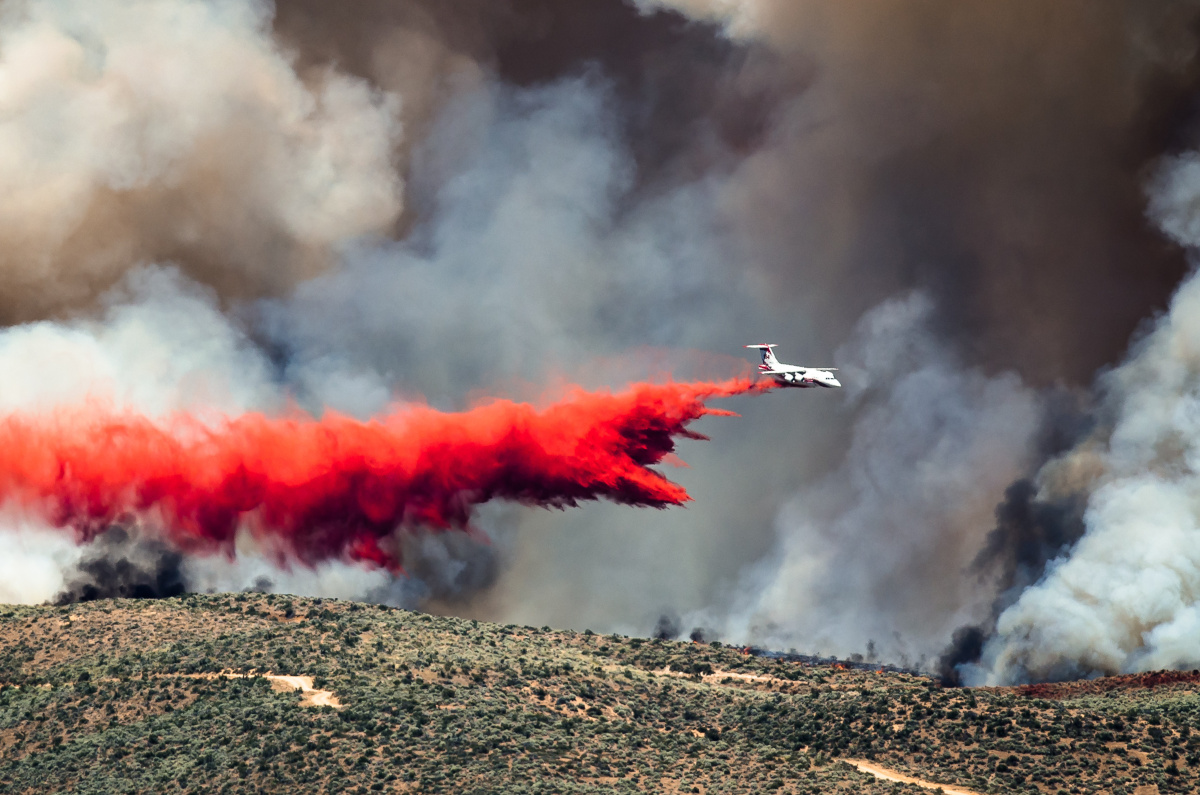
The World Meteorological Organization says extreme weather is the “new norm,” with an observed increase in the frequency and intensity of events like storms, floods, and wildfires in recent decades, and even more so in the last several years, according to other sources.
With events like the devastating Los Angeles wildfires in winter 2025, or the floods in Texas during the summer, it’s no surprise that travelers feel a need for increased protection as they plan and embark on their annual vacations. Understanding how these weather events impact travelers’ mindsets, plans, and decision-making is key to getting a handle on the current travel market.

The Rise of the Weather-Informed Traveler
In Redpoint’s survey sample, 93% of respondents travel at least once a year, and 46% travel more than twice a year. Of those frequent travelers, 54% reported that they have had a vacation delayed due to weather, while 37% have had to cancel a vacation due to weather.
The trendline is clear: The more frequent a filer, the more likely they are to encounter a delay, cancellation, or other kind of disruption.
How Age Shapes Weather Sensitivity and Travel Decisions
Redpoint’s national travel weather survey showed that various age demographics view weather-related travel risks differently, depending on their priorities and life stage.
- Midlife, Ages 35 to 54
The age group of 35 to 54 proved to be simultaneously the most weather-disrupted and the most weather-aware travelers. They demonstrated the highest cancellation rates, with 44.6% of 35 to 44 year olds experiencing a cancellation in recent years, as well as the highest rate of delays, at 62%.
This age group is facing many of the scheduling demands of midlife, from children and school vacation schedules to high-pressure careers. Perhaps because of that, they demonstrated a higher sensitivity to weather-related risks and a preference for destinations with predictable weather.
- Older Adults, Ages 55 to 65+
Thanks to a more flexible lifestyle, older travelers often prefer to travel off-peak and outside of school holidays. They can also avoid travel periods with high likelihood of weather-related travel delays. Perhaps because of that, the oldest travelers, those 65+, report a lower cancellation rate, at 21.7%. Nonetheless, they still demonstrate a high rate of concern on the topic, with 75.8% of ages 65+ agreeing that extreme weather will affect their future travel plans, while 65.2% of 55 to 64 year olds feel the same.
- Younger Adults, Ages 18 to 34
Younger adults are the most price sensitive, which means they are also the most vulnerable to weather disrupting their travel plans. Given this, they reported a high rate of concern in the survey, with 60.5% of 18 to 24 year olds believing that extreme weather will affect future travel plans. This youngest age group in the survey (which aligns with Gen Z) have experienced heightened sense of uncertainty throughout their young adulthood — including the pandemic, a chaotic economy, and various socio-political and climate shocks — which perhaps adds to this general sense of wariness and anxiety.
This age group also shows high cancellation rates, at 26% for 18 to 24 year olds and 38% for 25 to 34 year olds. It’s clear this age group has less of a buffer — both in terms of schedule and finances — when it comes to trip disruptions.
Geography Matters: How State-Level Climate Risks Shape Traveler Behavior
Climate risks vary greatly across the diverse regions of the United States, with certain states being more prone to disruptions than others. Redpoint’s national travel weather survey showed that travelers from the regions below were more likely to report a high awareness of weather disruptions, a higher likelihood of cancelling or delaying trips, as well as a greater need for trip protection and refundability.
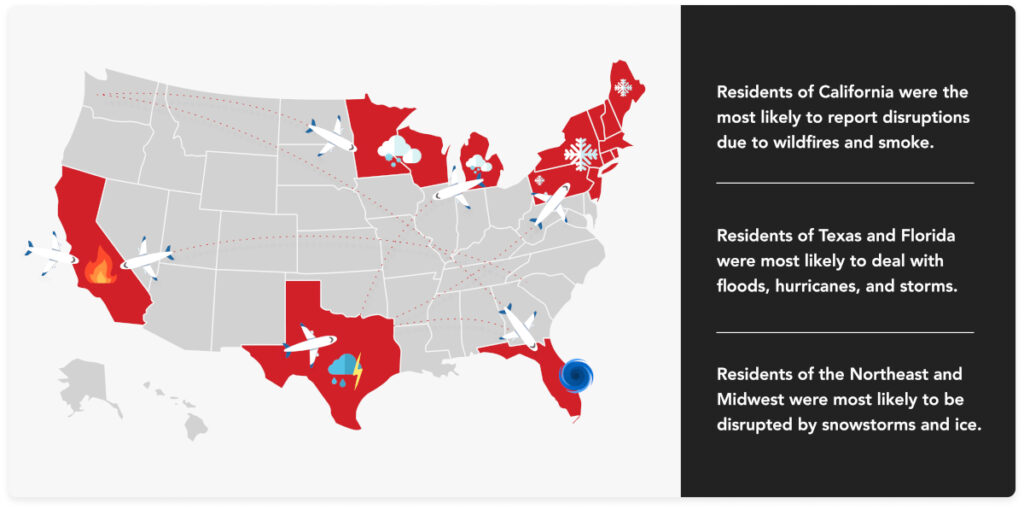
Two survey respondents summed up the feelings of many residents in these regions: “It feels like every year there’s some kind of major storm that affects our travel plans, especially when flying.” And another: “Between hurricanes and flooding, travel disruptions seem to be happening more often than they used to.”
What Actually Makes Travelers Feel More Confident Booking Trips?
The data is clear that extreme weather has an impact on how travelers behave and make decisions. A majority of travelers (69%) report that they will factor in weather risks on all future trips.
So what are consumers looking for to build confidence when booking their trips?
Refundable Flights Are the #1 Confidence Builder
When it comes to the most concerned travelers, fully-refundable flights and bookings are the big
gest confidence builder across all age groups. The more worried people are, the more they tend to opt for maximum flexibility.
Travel Insurance Remains a Close Second
For travelers who are slightly less worried about disruptions, travel insurance is a close second to fully-refundable flights. This option is most favored by travelers aged 24 to 34 (29%) and 35 to 44 (23%), who travel more frequently, are more climate-aware, and are more likely to have experienced disruptions. Meanwhile, the youngest (18 to 24) and oldest (65+) travelers are less likely to purchase travel insurance.
Why Weather-Related Travel Insurance Is Becoming Essential
Despite a slight preference for fully-refundable flights over travel insurance, the latter is still an essential form of protection for all travelers who are worried about weather disruptions. And yet, while more than a third of respondents have cancelled a vacation due to weather, 15% still had no insurance when disruptions occurred.
Here’s a look at why that gap is a problem.
Weather Is a Significant Source of Real Travel Losses
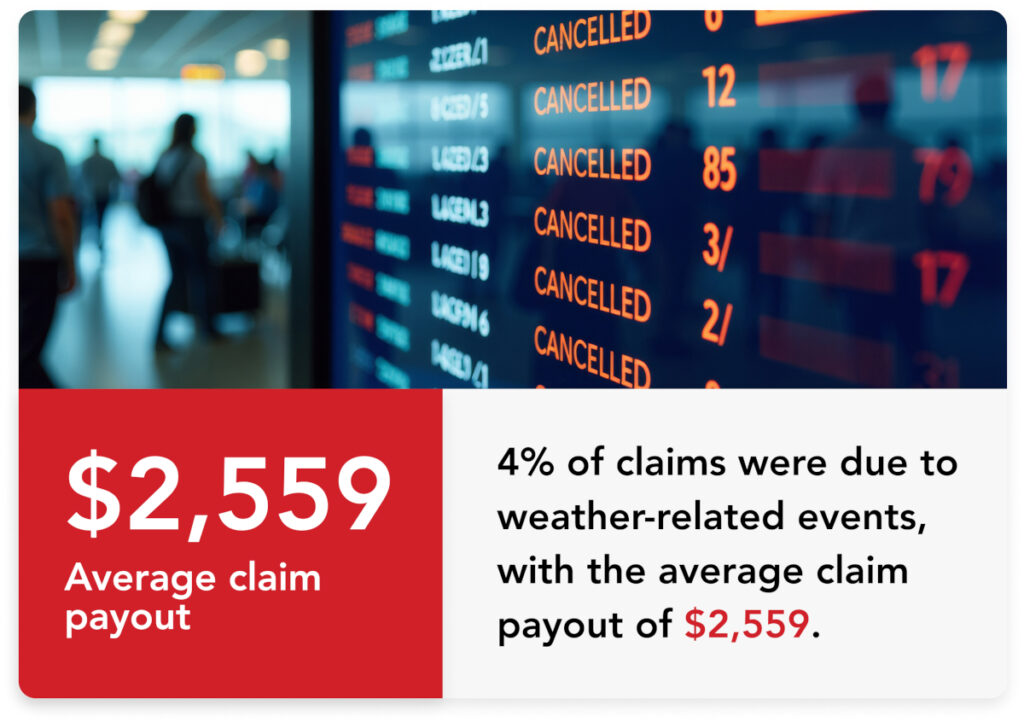
Internal claims data from Redpoint Travel Insurance over the last two years shows that 4.13% of claims were due to weather-related events, with the average claim payout of $2,559. While the rate of incidence might be low, that’s a significant financial risk that travelers are putting on the line when they travel without insurance.
Ted Muhlner, cofounder at Redpoint adds, “At Redpoint we see a familiar pattern: a small slice of claims drives outsized payouts. Travel insurance can help ensure a single weather event doesn’t become a personal financial loss.”
It’s worth noting that travel insurance doesn’t just cover flight delays or cancellations – it covers pre-paid accommodation and other trip costs that can’t be recouped by a fully refundable flight. Without travel insurance, travelers are exposing themselves to more risk even if they have a fully refundable flight.
Filing Rates Are Low But Frequent Travelers Need the Most Protection
The data clearly shows that most people who buy travel insurance won’t make a claim. That’s good news, but it doesn’t negate the need for travel insurance. On the contrary, the more a person travels, the more exposed they are to the risks of weather related events disrupting their trip. Frequent travelers who want to avoid financial strain should explore all options for trip protection when booking a trip.
One thing is clearer than ever: weather is now a primary decision driver for travelers. Every traveler likes having some kind of protection, but Redpoint’s national travel weather survey reveals three different profiles, each with their own behaviors and preferences.
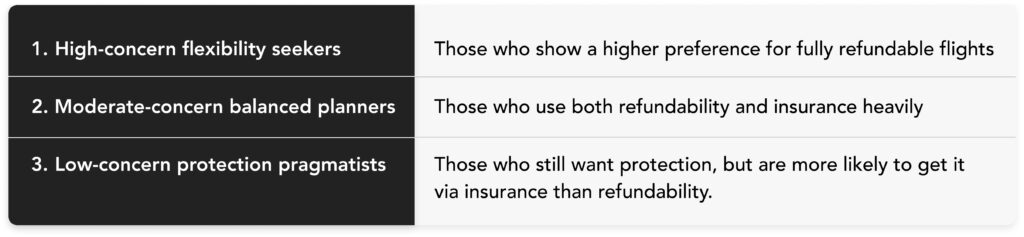
No matter what group travelers fall into, the risk of being disrupted by weather is high for frequent travelers. And there is no replacement for a comprehensive travel insurance policy to protect every aspect of your trip.
Redpoint Travel Protection is the leader in travel protection and risk mitigation. Browse our range of policies and get a quote for your upcoming trip.